
Control. Simplify. Scale.
E-commerce Admin Panel Development for Smarter Online Store Management
E-commerce Admin Panel Development helps businesses manage products, orders, customers, inventory, and store operations through one organized control system. We develop custom administration panels designed around your business workflows, giving your team clearer visibility, practical tools, and the flexibility to support future growth.
An online store involves much more than displaying products and accepting orders. Behind every successful purchase are inventory updates, payment records, customer details, fulfilment tasks, returns, and operational decisions. When these activities depend on disconnected tools or repetitive manual work, managing the store becomes increasingly difficult. A purpose-built admin panel brings essential functions into a structured environment, helping your team work with better coordination and control.
Our E-commerce Admin Panel Development services focus on creating practical administration systems that match your store’s actual requirements. We plan the dashboard structure, define user permissions, organize business data, and develop the features your team needs to manage daily operations. Whether you are launching a new online store, improving an existing e-commerce website, or building a marketplace, the solution can be tailored to your operational model.
E-commerce Admin Panel Development Built Around Your Business Operations
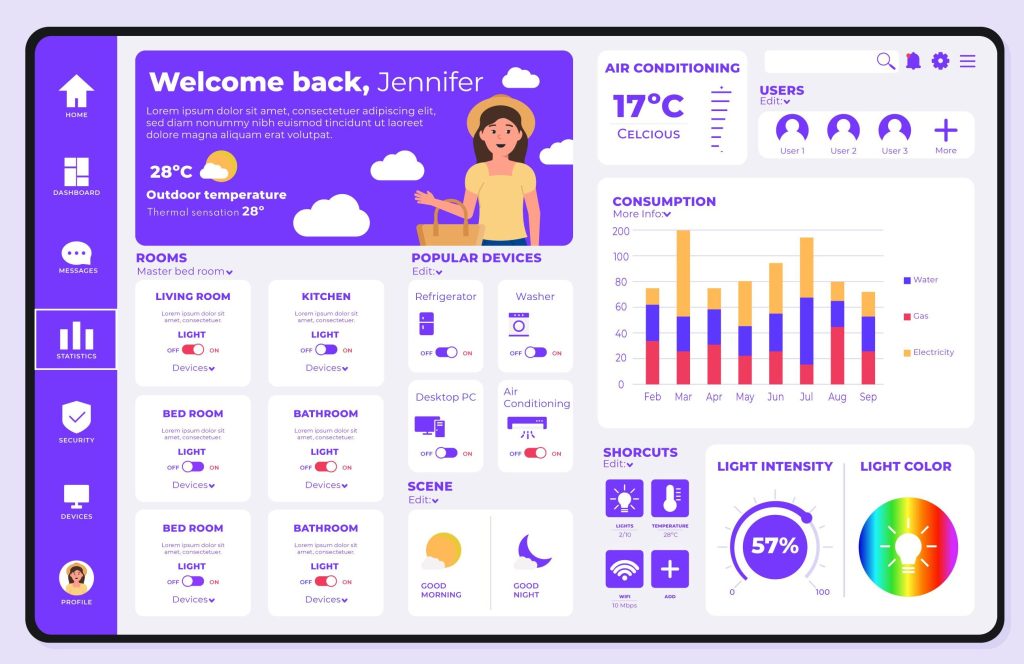
Create, update, categorize, and organize products from one dashboard. Manage product descriptions, images, prices, variations, SKUs, and availability without repeatedly editing website code for routine catalogue changes.
Centralized Product and Catalogue Management
Track incoming orders, update processing stages, review order details, and coordinate dispatch activities. Structured order workflows help teams identify pending tasks, handle exceptions, and keep fulfilment information consistent.
Order Processing and Fulfilment Control
Monitor stock quantities, manage product variations, and configure low-stock notifications where required. Inventory workflows help reduce avoidable overselling, improve replenishment planning, and maintain more reliable availability information across the store.
Inventory Visibility and Stock Monitoring
Access customer profiles, purchase histories, order information, and relevant support records through controlled interfaces. Better-organized information helps authorized staff respond to enquiries, investigate order issues, and provide more consistent customer service.
Customer Records and Service Management
Review sales summaries, order volumes, product performance, and selected business indicators through dashboard reports. Filters and date comparisons help decision-makers understand operational patterns and identify areas that may need attention.
Sales Reporting and Business Insights
Assign access according to responsibilities, allowing administrators, order managers, catalogue editors, and support staff to use relevant functions. Permission checks and activity records help protect sensitive information and improve operational accountability.
Secure Staff Roles and Permissions
Six Essential Capabilities of a Modern E-commerce Admin Panel
Custom E-commerce Admin Panel Development That Fits Your Workflow
Every online business has its own operating model. A direct-to-consumer brand may need efficient catalogue updates and promotional controls, while a wholesale business may require customer-specific pricing, bulk orders, and account-based access. A multi-vendor marketplace may need vendor approvals, commission calculations, product moderation, and seller-level reporting. Using the same administration structure for every business can create unnecessary steps and leave important requirements unaddressed.
Our development approach begins by understanding how your team manages products, orders, customers, inventory, and business information. We translate those requirements into a practical dashboard structure, establish the necessary data relationships, and identify the integrations required for your operations. Development can include custom interfaces, backend functionality, database connections, APIs, reporting tools, and third-party services according to the agreed scope.

E-commerce Admin Panel Features Designed for Growing Businesses
Automate suitable repetitive activities, such as low-stock alerts, order-status notifications, and approval reminders. Configured workflows help teams reduce avoidable follow-ups while retaining appropriate human oversight for important decisions.
Workflow Automation and Notifications
Organize transaction references, payment statuses, refund requests, and reconciliation information. Integrations with supported payment providers can improve visibility, while verified server-side transaction updates help maintain accurate order records.
Payment, Refund, and Transaction Tracking
Connect compatible shipping services to support shipment creation, tracking updates, delivery-status visibility, and fulfilment workflows. Integration requirements depend on provider APIs, business rules, service availability, and the selected logistics partners.
Shipping and Delivery Integration
Manage discount codes, promotional periods, eligible products, minimum purchase conditions, and selected pricing rules. Clearly defined validation prevents unintended discount combinations and helps teams administer campaigns more consistently.
Promotions, Coupons, and Pricing Controls
Support vendor registration, seller profiles, product approval, commission rules, and vendor-specific reporting where required. Appropriate permission boundaries help separate seller activities from platform-wide administrative controls.
Marketplace and Multi-Vendor Administration
Connect the admin panel with suitable CRM systems, accounting software, inventory platforms, analytics tools, and other business applications. A well-planned architecture makes it easier to extend functionality as requirements evolve.
API Integration and Future Scalability
Frequently Asked Questions?
A custom panel is useful when standard dashboards cannot support your business workflows, integrations, reporting needs, or access rules. It allows the administration system to be structured around your team’s actual responsibilities.
Common features include product management, order processing, inventory tracking, customer records, sales reporting, user roles, and store settings. Payment, shipping, returns, vendor management, and automation can be added according to business requirements.
Yes. A marketplace administration panel can include vendor onboarding, seller permissions, product approvals, commission rules, order allocation, and vendor-level reports. The exact functionality depends on how the marketplace manages sellers and transactions.
Let's Connect
Ready to Start Your Project?
Let’s discuss how we can help bring your vision to life with our expertise.