
Connect. Simplify. Advance.
Custom Portal App Development for Connected Business Experiences
Custom Portal App Development helps businesses bring customers, employees, vendors, partners, and internal operations into one connected digital environment. We design and develop tailored portal applications that simplify information sharing, organize business workflows, and provide secure access to the tools people need.
Managing business operations across emails, spreadsheets, separate applications, and manual follow-ups can create unnecessary complexity. Customers may need to contact your team for routine updates, employees may struggle to locate internal documents, and partners may rely on repeated communication to complete simple tasks. Custom Portal App Development provides a centralized digital workspace where different user groups can access relevant information, submit requests, track progress, and complete authorized activities through a consistent interface.
At Amunis Technologies, we develop customized portal applications based on your organization’s workflows, access requirements, and business objectives. Depending on the project, the portal can include personalized dashboards, user accounts, document management, request tracking, notifications, approval workflows, reporting, and integrations with existing business systems. Each module is planned according to its practical value rather than adding features that make the application unnecessarily complicated.
Custom Portal App Development That Connects People, Data, and Workflows
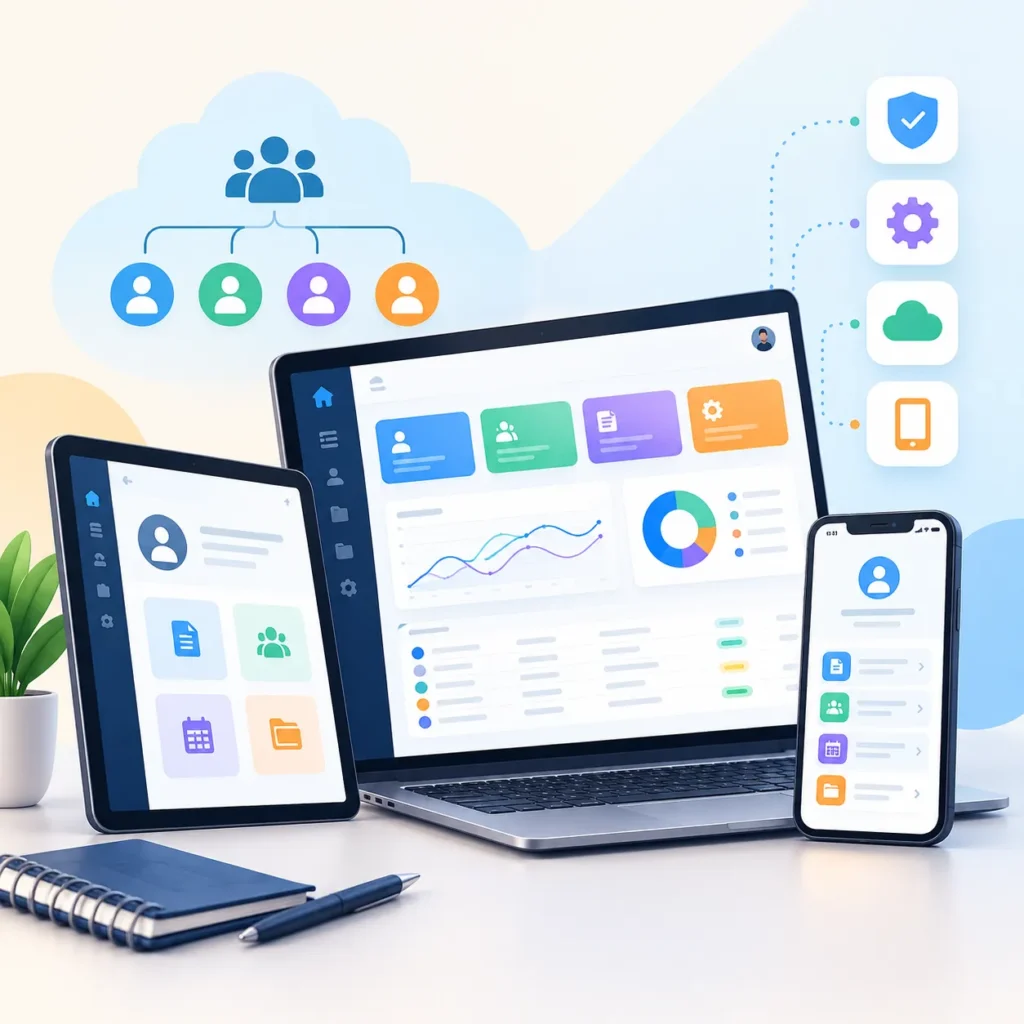
Give customers, employees, vendors, and partners relevant information through dedicated dashboards. Display account details, pending requests, recent activity, notifications, and available actions according to each user’s role and permissions.
Personalized User Dashboards
Create protected user accounts with appropriate authentication, session management, and permission checks. Role-based access helps ensure that users can access only the records, documents, and functions authorized for their responsibilities.
Secure Authentication and Access Control
Organize important files, forms, policies, invoices, reports, and supporting documents within structured portal sections. Search, categorization, controlled downloads, and version tracking can improve information access and reduce repetitive document requests.
Document and Information Management
Digitize processes such as service requests, internal approvals, onboarding, and document submissions. Configurable statuses, assigned responsibilities, reminders, and activity histories help users understand what happens next and identify pending actions.
Workflow Automation and Request Tracking
Connect suitable CRM, ERP, accounting, support, or communication systems through available APIs and supported integration methods. Planned data synchronization helps reduce duplicate entry while preserving clear ownership of records across connected applications.
Third-Party System Integration
Provide authorized administrators with tools to manage users, configure workflows, review activity, and access operational reports. Relevant filters and downloadable summaries support monitoring while keeping sensitive business information appropriately restricted.
Reporting and Administrative Controls
Essential Features of a Modern Custom Portal Application
Custom Portal App Development Built Around Your Business Model
Different businesses need different types of portals. A customer portal may focus on account information, service requests, order updates, invoices, and support communication. An employee portal may organize internal announcements, documents, assigned tasks, leave requests, and approval processes. A vendor or partner portal may require onboarding, quotation submissions, shared resources, order visibility, and compliance documents. The right solution depends on who will use the application, what they need to accomplish, and how those activities connect with your existing operations.
Our development process begins by identifying your users, defining their permissions, mapping essential workflows, and prioritizing the features needed for the first release. We then plan the interface, database structure, backend functionality, and integrations required to support those workflows. Depending on the project scope, we can develop responsive web portals, application-style interfaces, administrative dashboards, custom APIs, and connected modules that work together as one coordinated system.
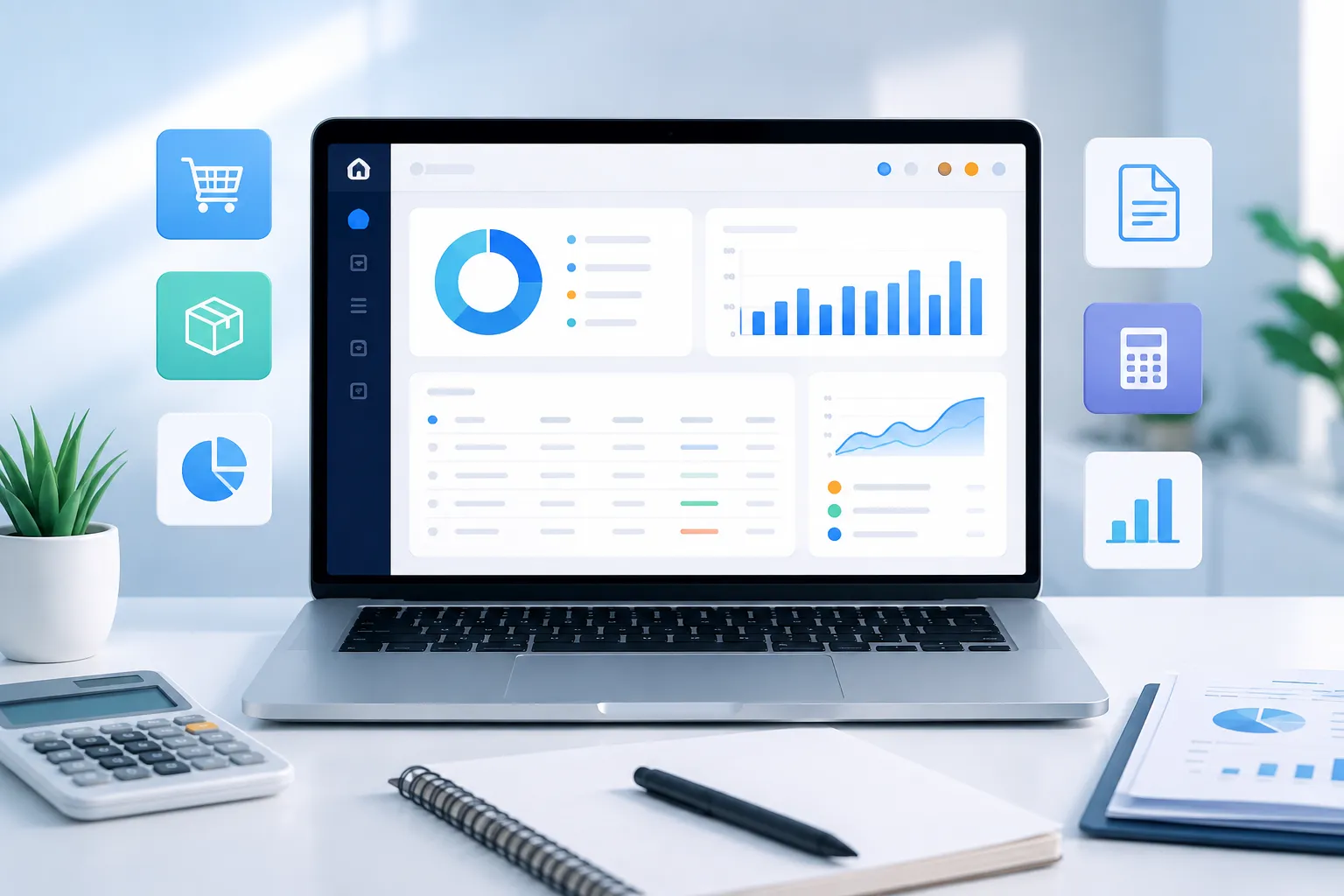
Advanced Portal App Capabilities for Growing Organizations
Allow customers to access their permitted account information, submit enquiries, upload documents, and follow request statuses. Self-service functionality can reduce repetitive communication while giving users clearer visibility into their interactions with your business.
Customer and Client Self-Service
Create dedicated workspaces for internal announcements, policies, employee requests, assigned activities, and approval processes. Centralized resources help teams locate relevant information and complete routine administrative tasks through organized digital workflows.
Employee and Internal Operations Portals
Support partner onboarding, document submissions, quotation requests, shared resources, and approved account information. A structured collaboration portal helps external stakeholders follow consistent processes without exposing unrelated business records or confidential information.
Vendor, Dealer, and Partner Collaboration
Build responsive interfaces that adapt to desktop, tablet, and smartphone screens. Mobile-friendly navigation, readable layouts, and appropriately sized controls help users access essential portal functions across different devices and working environments.
Mobile-Friendly Portal Experiences
Configure relevant alerts for request updates, pending approvals, document submissions, and other important workflow events. Automated notifications can improve coordination when supported by appropriate rules, delivery handling, and user preferences.
Notifications and Process Automation
Structure portal functionality into maintainable modules that can support additional user groups, integrations, reports, and workflows. Appropriate testing, monitoring, and technical documentation help make future improvements easier to plan and implement.
Scalable Architecture and Future Enhancements
Frequently Asked Questions?
Custom Portal App Development involves creating a digital application that gives a defined group of users secure, personalized access to information, services, and business workflows. It can support customers, employees, vendors, partners, members, or internal teams through dedicated dashboards and permissions.
A regular website typically presents public information about a business, its services, or its products. A portal application provides authenticated users with personalized information and interactive features, such as account management, document access, request submission, status tracking, and administrative workflows.
We can develop customer portals, employee portals, vendor portals, partner portals, member portals, service request portals, and internal business portals. The final functionality depends on your industry, user groups, existing systems, and operational requirements.
Let's Connect
Ready to Start Your Project?
Let’s discuss how we can help bring your vision to life with our expertise.